Key takeaways
In this brief February 2022 video, ICT responds to viewer questions about whether his Thinkorswim account was using live funds or a simulated mode.
Read the full summary
In this brief February 2022 video, ICT responds to viewer questions about whether his Thinkorswim account was using live funds or a simulated mode. He demonstrates Thinkorswim’s OnDemand feature — identifying its orange or yellow border, the OnDemand label, and a $100,000 simulated balance — as a contrast to the live account interface. He then shows his live account’s profit-and-loss figures from around January 21 over a period of roughly two weeks, stating a return he puts at approximately 47% overall, or about 22% per week. He notes that many listed executions were latency tests rather than mentorship trades. The transcript does not provide trade-level detail, account funding history, risk data, or a broker statement, and no independent performance verification is possible from the recording alone.
How we researched this article
BestProps used document-based research from primary firm sources, checked September 25, 2026. The complete source list, scope, limitations, and commercial-state record appear near the end of this article.
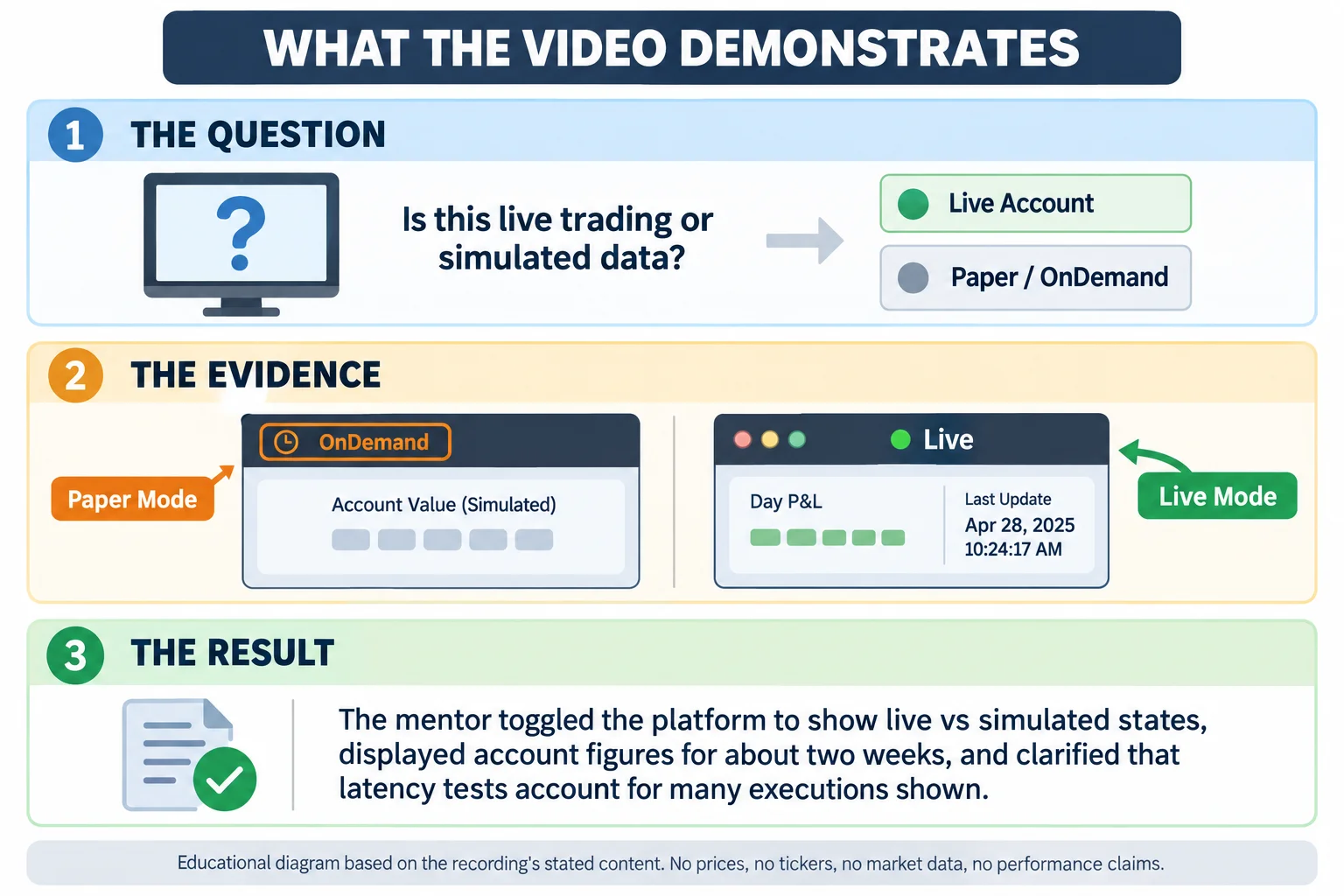
In the video “Verified Results, For Those Inquiring” (the video’s own title, not an independently verified result), published February 8, 2022, ICT addresses questions about whether the account shown in his Thinkorswim platform was using live funds, paper money, or the platform’s historical simulation mode.
The video is short — about three and a half minutes — and focused primarily on account-status verification rather than on trading strategy or setups.
Distinguishing Live from Simulated
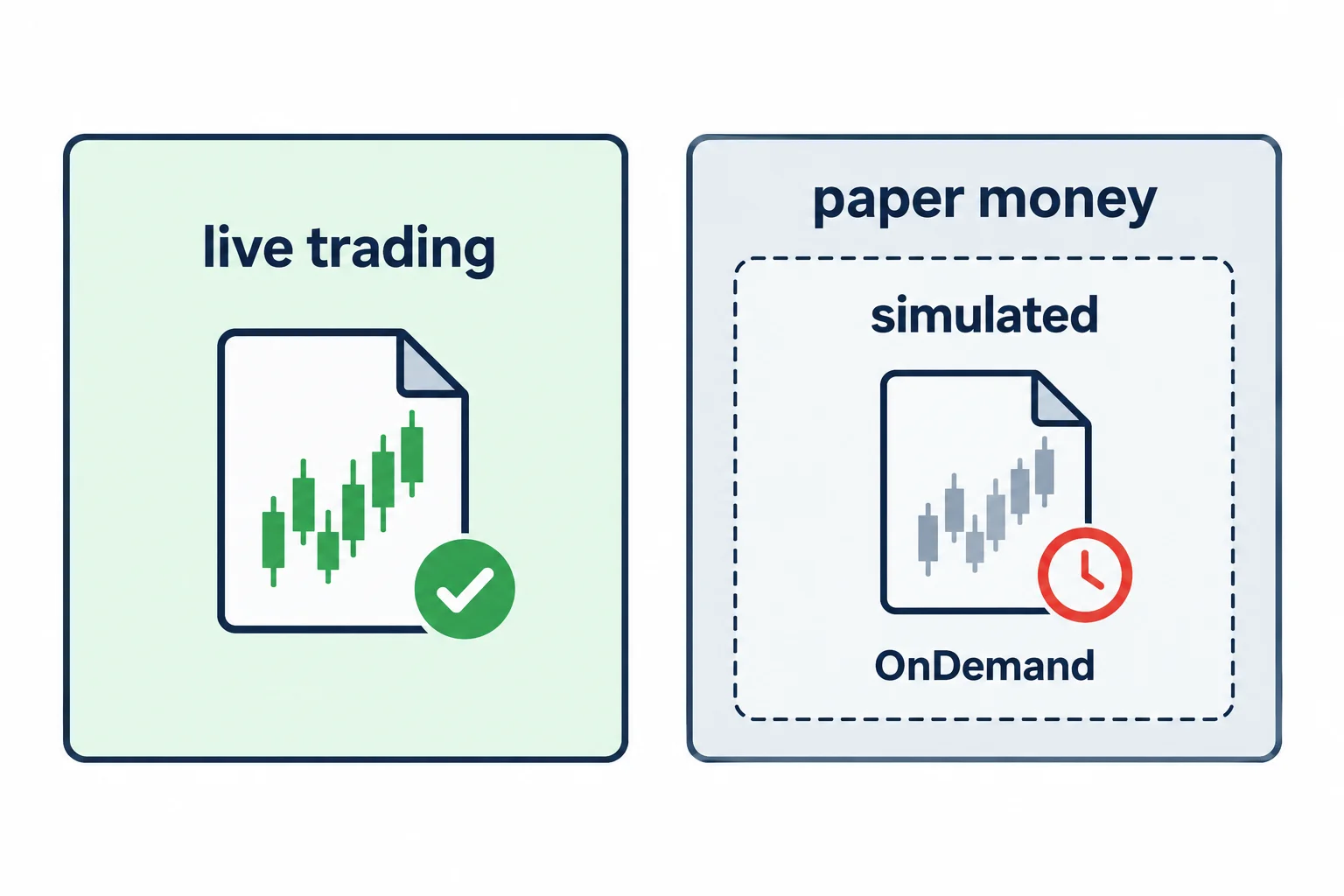
At 0:06, ICT says viewers had asked whether he was trading with simulated data through TD Ameritrade’s Thinkorswim application. He then logs in and shows the platform toggled to live trading rather than paper money.
Beginning around 0:53, he opens Thinkorswim’s OnDemand feature and describes its visual indicators: an orange or yellow border around the account display, a label reading “OnDemand,” and text identifying the displayed values as simulated. He notes the feature carries a default balance of $100,000 in play money and that he has never used or opened the OnDemand section.
These observations summarize what ICT says he sees on screen. The transcript is derived from audio and does not provide independent access to the platform interface.
What the Mentorship Represents
At 1:50, ICT says the mentorship’s purpose is to demonstrate what he considers possible and realistic in trading. He contrasts this with an aggressive trading-competition approach — a “Robins Cup” or “World Cup” style run — where the goal is to push an account to extreme new highs. He clarifies that this is not his objective, and adds that he did not blow up three accounts in Robins Cup, contrary to what he says others may have suggested.
Showing the Live Account
Around 2:11, ICT switches to what he identifies as his real trading account. He says the displayed figures are profit and loss rather than simulated values, and that Thinkorswim marks live accounts to market, meaning positions cannot be hidden or cherry-picked. He points to activity going back to January 21 and characterizes the period as roughly two weeks.
At 2:37, ICT cautions that the execution list visible in the account should not be read as the number of mentorship trades. He says many of the listed executions were latency tests while he evaluated Thinkorswim’s platform following a recent migration. The transcript does not identify which specific executions were tests, provide individual trade details, or disclose position sizes, risk limits, or account funding.
Near 3:12, ICT states that the result for that period was 47%, or roughly 22% per week on average. He says he is not making an aggressive effort to achieve this. He frames the disclosure as a demonstration of what he can do and what he considers realistic, leaving it to the viewer to decide whether to accept that characterization.
At 3:20, ICT states that it is illegal to claim real profits from a simulated account, and says he has been practicing on demo accounts for years before moving to live trading.
What the Video Does and Does Not Establish
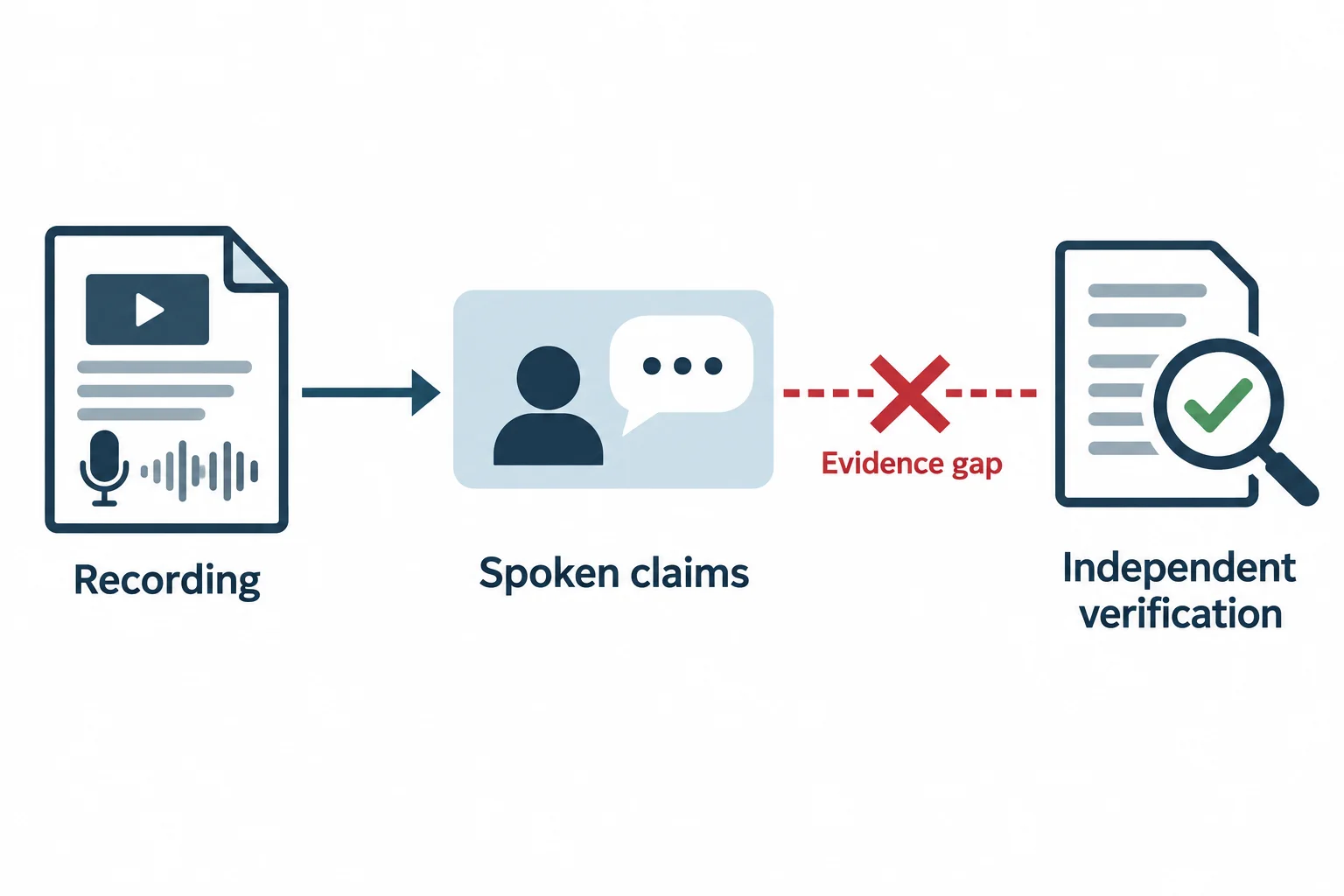
The recording documents what ICT says he sees on screen and records his account-performance statements. It does not, from the available evidence, provide independently verified performance data, a complete trade history, broker statement, position-level detail, drawdown figures, or evidence of a repeatable trading edge.
The transcript supports the statements ICT made about the platform’s live and simulated modes, the source of certain executions, and the time frame of the results shown. It cannot independently confirm account balances, actual fills, realized versus unrealized profit, or whether another trader following similar methods would achieve comparable outcomes.
This article is for educational purposes only. It does not constitute investment advice. Trading involves risk, and past performance discussed in any recording should not be interpreted as a guarantee of future results.
Resources
- “Verified Results, For Those Inquiring” on YouTube — the original ICT video (the title is his wording, not an independently verified result)
- Thinkorswim by TD Ameritrade — the trading platform demonstrated in the video