TL;DR: BestProps currently maps 21 published firm reviews to two-step programs. A two-step prop firm challenge requires two evaluation phases before the next account stage. Compare both phase targets, loss limits, minimum days, reset costs, review requirements, and funded-stage payout rules because the second phase can change the real time and cost of passing.
Research status: Reviewed against the current BestProps taxonomy and current official For Traders and BrightFunded program material on August 15, 2026. Recheck by August 22, 2026, and before purchase because evaluation terms can change.
Two-step challenges divide an evaluation into two phases, often called Challenge and Verification or Phase 1 and Phase 2. The second target may be lower, but traders must remain compliant through both stages. The label alone does not identify the easier or cheaper option.
Compare two-step prop firm challenges
21 published reviews
- Alpha Capital GroupView review
- Alpha Trader Firm Review of Simulated ProgramsView review
- AudaCity CapitalView review
- Blue Guardian Review of CFD and Futures ProgramsView review
- City Traders ImperiumView review
- E8 MarketsView review
- FTMOView review
- Funded Trading PlusView review
- FundedNext Review of Stellar Account ModelsView review
- Funder ProView review
- Funding PipsView review
- Funding TradersView review
- FXIFY Review of Simulated Account ProgramsView review
- Goat Funded Trader Review of Simulated AccountsView review
- Hola Prime Review of Simulated Account TermsView review
- Instant Funding Review of Simulated Account TermsView review
- My Funded FuturesView review
- Purdia Review and Rules to VerifyView review
- The Funded TraderView review
- The5ers Review of Simulated Account ProgramsView review
- Top One TraderView review
The live directory lists BestProps firm reviews currently assigned to the Two-Step taxonomy. Firms can offer multiple account formats, and a taxonomy assignment does not mean every plan uses two phases.
Return to the BestProps funding-model directory for other evaluation paths. Use the daily loss limit calculator when testing a program's risk budget against your trading history.
Understand how two-step evaluations work
Phase 1 normally has a profit objective and risk limits. After passing, Phase 2 applies another objective and may repeat or change the minimum-day and risk requirements. The firm can then perform identity, prohibited-strategy, and risk reviews before issuing the next account.
Current official examples show that two-step is not one fixed structure. For Traders presents Classic as a two-phase route with separate targets. BrightFunded currently offers 2-Step Bright and 2-Step Classic, each with different targets and loss limits. Always preserve the exact plan label beside every number.
Compare both phases and the next account
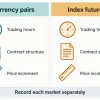
Build one table covering:
- Phase 1 and Phase 2 profit objectives;
- daily loss calculations and reset times in each phase;
- maximum loss type and whether it changes between phases;
- minimum trading or profitable days per phase;
- time limits, inactivity rules, and reset options;
- strategy restrictions and review conditions;
- the next account's drawdown, payout, and consistency rules;
- initial, recurring, reset, platform, data, and post-pass costs.
BrightFunded's official challenge comparison table shows two different two-step plans, while the official For Traders challenge page compares its Classic route with one-step and three-step choices. These examples show why a generic phase count cannot substitute for plan-specific rules.
Compare two-step and one-step difficulty
Two-step programs may lower the profit objective in each phase or provide a different loss budget, but they require compliance for longer. One-step programs shorten the evaluation path but may use a higher target, tighter drawdown, or higher price.
Use your trading journal to estimate the number of qualifying days and likely attempts under both formats. Include the chance of failing Phase 2 after paying for and completing Phase 1. The better choice is the structure that fits normal performance without forcing larger risk.
Review two-step fit before buying
A two-step challenge may fit traders who prefer smaller phase objectives, want more observations before the next stage, or can trade consistently across a longer evaluation. It may be a poor fit when recurring fees, minimum days, or a second review create too much time pressure.
Before checkout, confirm the exact plan name, account size, platform, country access, refund policy, and next-stage terms. Save the official rules for both phases. Do not assume a favorable Phase 1 value continues unchanged into Phase 2 or the payout stage.