Key takeaways
Breakout Prop is primarily a crypto prop-trading option offering up to $200,000 in funded capital, more than 60 markets, 24/7 profit access, on-demand USDC payouts, and an official-page profit split of 80% to 90%, although another result claims up to 95% and the exact instruments, minimum payout, eligibility rules, and plan terms require confirmation.
Read the full summary
Breakout Prop is primarily a crypto prop-trading option offering up to $200,000 in funded capital, more than 60 markets, 24/7 profit access, on-demand USDC payouts, and an official-page profit split of 80% to 90%, although another result claims up to 95% and the exact instruments, minimum payout, eligibility rules, and plan terms require confirmation. Apex Trader Funding is characterized by third-party sources as futures-focused, but no current official Apex documentation was available to verify account sizes, contracts, platforms, fees, drawdown rules, profit splits, or payout timing. Crypto traders needing continuous or weekend access should investigate Breakout, while futures traders should investigate Apex, then compare named plans using same-day official documents covering static versus trailing drawdown, intraday versus end-of-day calculations, unrealized-profit effects, profit targets, position limits, evaluation and funded-stage rules, recurring fees, resets, activation, data costs, payout waiting periods, eligible days, withdrawal limits, balance cushions, strategy restrictions, regional eligibility, and identity requirements rather than relying on headline account size, temporary discounts, review sites, or unverified testimonials.
How we researched this article
BestProps used document-based research from primary firm sources, checked August 27, 2026. The complete source list, scope, limitations, and commercial-state record appear near the end of this article.
Comparing Breakout Prop vs Apex Trader Funding starts with a distinction that matters more than any headline fee or profit split: these firms are associated with different markets. Breakout presents itself primarily as a crypto prop-trading option, while third-party comparison pages describe Apex Trader Funding as focused on futures.
That makes this an imperfect side-by-side comparison. A trader who wants crypto exposure and a trader who wants exchange-listed futures are choosing different instruments, trading hours, platforms, and risk structures. Market preference may settle the decision before account pricing enters the discussion.
Quick verdict: Breakout is the more natural firm to investigate if your strategy depends on crypto markets. Apex is the relevant candidate if you trade futures. Do not choose between them using advertised account size alone; compare a specific evaluation plan, its drawdown formula, and its payout conditions using official pages captured on the same date.
Breakout Prop and Apex Trader Funding Compared
The available evidence supports only a limited high-level comparison. Breakout’s official website says traders can access up to $200,000 in funded capital and promotes more than 60 markets, along with 24/7 profit access. However, the site and third-party descriptions do not always characterize its market selection and plan rules in the same way. Confirm the instruments included in the account you intend to buy.
No current official Apex source was included in the research set for this article. Search results and comparison sites characterize Apex as a futures-focused firm, but specific claims about its account limits, platforms, fees, drawdown rules, profit split, or payout schedule should remain unverified until checked against Apex’s current official documentation.
- Breakout: Primarily positioned around crypto trading, although its official marketing references a broader market count that requires instrument-level confirmation.
- Apex: Commonly characterized by third-party sources as serving futures traders; all plan details require primary-source verification.
- Most important comparison: The exact instruments, evaluation rules, funded-stage rules, and total cost of the two plans under consideration.
Breakout and Apex Market Differences
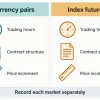
Crypto and futures differ in ways that affect prop-account suitability. Crypto traders may prioritize continuous market access, weekend trading, coin coverage, liquidity, and how the firm handles sharp price moves. Futures traders may focus on exchange sessions, contract specifications, rollover, scheduled economic events, and whether positions can be held around market closures.

Platform workflow matters as well. Before purchasing either evaluation, confirm that the plan supports the order types, charting setup, data connection, and execution process you use. Never assume that a platform listed by a review site is currently supported or available with every plan.
This market distinction also changes how traders should interpret account size. A large nominal balance does not describe usable risk. The loss limit, position cap, contract or instrument restrictions, and drawdown calculation determine how much room a strategy actually has.
Compare Breakout Prop and Apex Funding Plans
Prop-firm terms frequently vary by account size, evaluation path, promotion, and funded stage. A claim may be accurate for one product but wrong for another. Create a plan-level checklist instead of comparing the firms as though each offers one universal rulebook.
- Write down the exact plan name and account size.
- Record the evaluation profit target and loss limits.
- Separate evaluation rules from funded-account rules.
- Confirm whether the drawdown is static, trailing intraday, or updated at another interval.
- List every required payment, including evaluation, subscription, activation, reset, data, or upgrade costs where applicable.
- Record payout eligibility, limits, payment methods, and processing conditions.
- Save the official rule pages and note the date checked.
Promotional prices should be treated separately from standard costs. A temporary discount can lower an initial payment without making the complete route to a payout less expensive.
Breakout Prop and Apex Funding Drawdown Rules
The drawdown formula is one of the most important variables in a prop evaluation. Search results contain conflicting descriptions of Breakout’s drawdown structure, while current official Apex rules were not supplied. A precise numerical comparison would therefore risk mixing different or outdated plans.
Conceptually, a static loss limit stays anchored to its stated reference point. A trailing limit may rise as the account reaches new equity or balance highs. Intraday and end-of-day calculations can also produce different outcomes from the same sequence of trades.
For example, imagine a hypothetical account with a trailing threshold. If open profit pushes the account to a new high, the threshold may move upward even if that profit later disappears. Under a static model, the threshold would not move solely because the account reached that high. This is an illustration, not a statement of either firm’s current formula.
Ask each firm these questions before paying: Does unrealized profit move the threshold? Is it calculated intraday or after the session? Does trailing stop after a certain level? What happens after a withdrawal? The written answer should come from the rule page for the selected plan.
Breakout Prop and Apex Funding Costs
A fair Breakout vs Apex cost comparison needs more than the checkout price. The relevant total may include recurring evaluation payments, resets after a failed attempt, activation charges, market-data costs, or other plan-specific expenses. Refund treatment may also differ.
None of those current Apex figures can be verified from the supplied official evidence, and third-party prices may be stale or reflect temporary coupon campaigns. Breakout pricing should likewise be captured directly from the selected checkout and terms pages at the time of purchase.
A practical comparison is to calculate three scenarios: passing without a reset, passing after one reset, and remaining in an evaluation for several billing periods if recurring charges apply. This does not predict success; it simply reveals the financial commitment under different paths.
Breakout Prop and Apex Funding Payouts
Breakout’s available official-page summary states an 80% to 90% profit split, while another search result mentions a figure as high as 95%. Because those claims conflict, traders should verify the split for the exact plan and funded stage. The official summary also promotes on-demand USDC payouts and references a minimum amount, but all eligibility conditions need to be checked before relying on that feature.
Claims that Apex offers a particular split, payout frequency, cap, or waiting period came only from third-party evidence in the supplied research. They should not be presented as current rules.
When reviewing Breakout’s official site or the corresponding official Apex documents, look beyond the split percentage. Confirm:
- Minimum profitable or eligible trading days
- Waiting periods between payouts
- Minimum and maximum withdrawal amounts
- Consistency or concentration rules
- Required balance cushions
- How withdrawals affect drawdown
- Payment methods and identity checks
- Conduct that can delay or disqualify a request
A larger advertised split is not automatically better if its qualification rules conflict with your normal trading frequency.
Breakout and Apex Trade Rules and Market Access
Do not infer permission from silence on a comparison page. Verify policies covering automated systems, copy trading, hedging, news trading, overnight or weekend positions, multiple accounts, shared devices, virtual private servers, and coordinated trading. The relevant rule may differ between evaluation and funded stages.
Country eligibility and identity requirements are equally important. Availability can change, and access to a website does not prove that a resident of a particular jurisdiction can open or maintain an account. Check current eligibility directly before purchasing.
Who Breakout Prop Fits Best
Breakout is the more relevant candidate for traders whose tested process is built around crypto markets. Its official marketing highlights funded capital of up to $200,000 and continuous profit access, but neither point should be treated as a universal plan promise without checking the current terms.
It may deserve further review if you require weekend market access or prefer a crypto-centered workflow. Confirm the actual instrument list, liquidity and execution model, drawdown calculation, payout conditions, and whether your strategy is permitted.
Who Apex Trader Funding Fits Best
Apex is the logical candidate to research if your strategy trades futures rather than crypto. However, the evidence set does not contain a current official Apex rule page, so this draft cannot responsibly endorse a plan or quote specific account terms.
Before choosing Apex, verify its current eligible contracts, platform and data options, session rules, position limits, drawdown mechanics, complete fee schedule, and payout criteria directly from official materials. Match those rules to your strategy rather than selecting the largest advertised account.
Breakout Prop and Apex Funding Risk Checklist
- Capture official rules for both firms on the same day.
- Confirm whether trading is evaluated in a simulation or another disclosed setting.
- Save the exact plan name, checkout total, and cancellation terms.
- Model drawdown using several realistic trade sequences.
- Read prohibited-conduct rules before using automation or copying tools.
- Verify regional eligibility and identity requirements.
- Ignore review-site ratings, payout totals, and social-media testimonials unless independently substantiated.
- Recheck terms immediately before purchase because prop programs can change quickly.
Reddit and other community discussions can reveal recurring trader concerns, such as confusing drawdown behavior or payout friction. They are qualitative audience evidence, not proof that a firm follows a particular rule or that another trader’s experience will be repeated.

Breakout Prop and Apex Funding FAQs
Is Breakout Prop Better Than Apex Trader Funding?
There is no universal winner. Breakout is more relevant to a crypto-oriented trader, while Apex is commonly associated with futures. The better fit depends on the selected plan’s instruments, drawdown, total cost, restrictions, and payout qualification.
Which Firm Has Easier Drawdown Rules?
The supplied sources do not support a reliable current answer. Breakout descriptions conflict, and no official Apex rule source was provided. Compare the formulas for two named plans and test them against the same hypothetical trades.
Which Firm Costs Less?
Current total costs were not verified. Compare standard pricing rather than temporary discounts, and include recurring charges, activation, resets, data, and other applicable costs.
Can Traders Trust Third-Party Comparison Pages?
They can help identify questions, but time-sensitive rules should be checked on official pages. Screenshots or saved copies are useful if terms later change.
Which Prop Firm Fits Your Market?
The central choice in Breakout Prop vs Apex Trader Funding is crypto versus futures. After selecting the market, compare one named plan from each relevant provider using current official documents. Focus on usable risk, drawdown behavior, complete cost, strategy restrictions, and the full route to payout, not the largest headline account or split.
This comparison is educational and does not promise funding, payouts, or trading results. Prop evaluations involve fees and strict risk limits, and no program is suitable for every trader.