Key takeaways
No universal best prop firm for swing traders can be verified from the available evidence, though Goat Funded Trader, Audacity Capital, The5ers, Phidias Propfirm, and comparison resource Prop Firm Match are research candidates.
Read the full summary
No universal best prop firm for swing traders can be verified from the available evidence, though Goat Funded Trader, Audacity Capital, The5ers, Phidias Propfirm, and comparison resource Prop Firm Match are research candidates. Choose an exact program only after confirming overnight, weekend, scheduled-news, mandatory-liquidation, geographic eligibility, instrument, and evaluation versus funded-stage rules. Compare static, balance-based, end-of-day trailing, and intraday trailing drawdown formulas because real-time equity trails can turn a move from 100 to 106 followed by a retracement to 101 into a breach despite remaining profitable. Forex and CFD traders should verify currency pairs, indices, metals, commodities, spreads, commissions, swaps, and rollover financing, while futures traders should check contracts, expiration months, roll deadlines, maintenance breaks, market-data subscriptions, platform costs, exchange fees, activation charges, reset fees, and whether positions must be flat daily. Model normal multi-day adverse movement, floating profit, correlated exposure, widening spreads, weekend gaps, and all holding costs, obtain written support clarification, and recheck current official terms before purchasing or trading.
The best prop firms for swing traders are not necessarily those advertising the largest account size or profit split. For a strategy that keeps positions open across sessions, compatibility depends on the exact program rules: overnight and weekend holding permissions, news restrictions, drawdown calculations, evaluation deadlines, available instruments, and the total cost of maintaining positions.
Because these terms can change and may differ between programs offered by the same firm, there is no responsible universal winner. The better approach is to create a shortlist, verify every rule on the firm’s official website, and test each restriction against your normal holding period and risk model.
What Makes a Prop Firm Best for Swing Traders
A swing-friendly program should explicitly address whether traders can hold positions overnight, through weekends, and around scheduled economic announcements. It should also use a drawdown model that leaves enough room for normal multi-day price movement.

Before purchasing an evaluation, look for clear answers to these questions:
- Can positions remain open after the daily market session ends?
- Are weekend positions permitted, and does that permission apply during both evaluation and funded stages?
- Must trades be closed before major news events?
- Is drawdown static, balance-based, end-of-day trailing, or intraday trailing?
- Does floating profit cause the drawdown threshold to move?
- Are there maximum evaluation periods or consistency requirements?
- What spreads, commissions, swaps, subscriptions, data charges, or activation costs apply?
- Are the trader’s preferred markets available in their jurisdiction?
A program should not be called swing-friendly merely because it allows overnight trading. A restrictive weekend policy, intraday trailing drawdown, or mandatory closure before news can still make a multi-day strategy impractical.
How We Compare Prop Firms for Swing Traders
This guide uses rule compatibility rather than promotional account sizes as its main standard. Relevant search results include comparison sites, firm-published guides, and a Reddit discussion about US-accessible firms. However, these sources do not provide enough verified, program-level evidence to publish a definitive ranking.
Firm-authored articles can help identify candidates, but they are promotional sources. Community comments are useful for discovering recurring trader concerns, not for confirming current rules. Any shortlist should therefore be checked against official terms, FAQs, and legal disclosures immediately before purchase.
The most important comparison categories are holding permissions, news rules, drawdown behavior, time limits, instruments, costs, account status, and geographic eligibility. A firm should be excluded from a swing-trading shortlist if any essential condition remains ambiguous after support is contacted.
Forex and CFD Prop Firms for Swing Traders
The search results identify Goat Funded Trader, Audacity Capital, and The5ers as firms publishing material about swing-trading programs. Prop Firm Match also appears as a broader comparison resource. These appearances make them possible research candidates, not verified recommendations.
Rules to Check for Each Forex or CFD Prop Firm
- Overnight and weekend rules: Confirm both separately. Permission to hold overnight does not automatically mean positions may remain open over the weekend.
- News restrictions: Determine whether the restriction concerns opening trades, closing trades, holding existing trades, or receiving credit for profits generated near an announcement.
- Swaps and rollover: Multi-day positions may incur financing adjustments. Ask where current rates are displayed and whether they differ by instrument or direction.
- Drawdown basis: Establish whether limits are measured from balance, equity, initial balance, or a moving high-water mark.
- Account stage: Check whether the same rules apply during evaluation and after passing. Do not assume that permissions carry over.
- Instrument access: Verify that the relevant currency pairs, indices, metals, commodities, or other products are available under the selected program.
Firm-published pages may describe a program as suitable for swing trading without covering every operational detail. The controlling terms and trading objectives should take priority over marketing copy.
Futures Prop Firms for Multi-Session Swing Trades
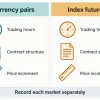
Futures programs require a separate comparison because exchange sessions, contract expiration, market-data arrangements, and platform liquidation procedures differ from forex and CFD programs. The search results include Phidias Propfirm presenting a futures offering for swing traders, while other comparison pages discuss futures and forex options together.
That positioning should be independently verified for the exact account selected. Ask whether positions can remain open through the daily maintenance break, across multiple sessions, and over the weekend. Also check whether the platform automatically liquidates positions at a specified time even when the broader description refers to overnight holding.
Swing Trade Questions for Futures Prop Firms
- Are overnight permissions available in every evaluation and funded account type?
- Which contracts and expiration months can be traded?
- Must positions be rolled before a firm-defined date?
- Are exchange, market-data, platform, or activation fees charged separately?
- Does the drawdown update intraday or only after the session closes?
- Can unrealized gains move a trailing threshold closer to an open position?
A futures program that requires flat positions by the close is generally designed for day trading rather than conventional multi-day swing trading. Traders should verify the actual liquidation rule instead of relying on a general statement about flexible trading.
Compare Prop Firm Drawdown Rules for Swing Trades
Drawdown determines how much adverse movement an account can absorb before a breach. It is especially important for swing traders because an otherwise valid setup may fluctuate substantially before reaching its target.

Static Drawdown Rules for Swing Trades
A static threshold normally remains fixed relative to a defined starting point. For example, if a hypothetical account starts at 100 units and has a fixed lower boundary at 90, the boundary does not rise merely because open equity temporarily reaches 105. Exact calculations vary by program, so this example is illustrative rather than a description of any firm.
Balance-Based Drawdown Rules for Swing Trades
A balance-based rule may respond to closed results while disregarding some intraday equity changes. This can be easier to model, but traders must confirm whether commissions, swaps, and other charges affect the calculation.
End-of-Day Trailing Drawdown for Swing Trades
An end-of-day model may adjust after the session based on a specified balance or equity value. It can avoid some intraday threshold movement, but profitable open positions may still change the next session’s limit depending on the formula.
Intraday Trailing Drawdown for Swing Trades
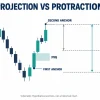
An intraday trail may follow the account’s highest equity in real time. Consider a hypothetical trade that moves from 100 to 106 before retracing to 101. If the threshold trailed the temporary equity high, the retracement could trigger a breach even though the trade remained profitable from its entry. This feature can conflict with strategies that expect open gains to fluctuate.
No drawdown model is automatically best. The relevant question is whether its calculation is compatible with the strategy’s typical adverse excursion, holding time, scaling method, and number of correlated positions.
Prop Firm Costs for Multi-Day Swing Trades
The advertised evaluation fee is only one potential expense. Forex and CFD positions may incur swaps or financing adjustments at rollover, with larger adjustments sometimes associated with particular settlement schedules. Spreads can widen during thin liquidity, increasing both trading costs and measured equity drawdown.
Futures traders may face recurring subscriptions, market-data charges, platform costs, commissions, exchange fees, activation charges, or reset fees. Whether these apply depends on the program and can change, so the total should be calculated from current official pricing.
Weekend gaps create another economic risk. A stop order does not guarantee execution at its requested price when the market reopens beyond that level. The resulting loss could exceed the planned amount and breach an account limit.
How Reddit Compares Prop Firms for Swing Traders
Reddit discussions show that traders actively look for US-accessible firms permitting overnight or weekend positions. They also highlight confusion caused by differences between account types and between forex and futures models.
These comments should be treated as qualitative audience evidence. A user’s report may be outdated, may refer to a different program, or may omit an important condition. Community posts can suggest questions to ask, but they should not replace official documentation or written clarification from support.
How to Verify Prop Firm Rules Before an Evaluation
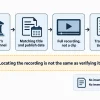
- Choose the exact program. Record its name, account stage, market type, and advertised rules.
- Open the official terms. Search for overnight, weekend, news, prohibited conduct, drawdown, liquidation, payout, and inactivity clauses.
- Compare all stages. Check whether evaluation, simulated funded, and any live stage use different conditions.
- Model a typical trade. Apply the drawdown formula to a realistic multi-day position, including floating profit and loss.
- Calculate total costs. Include mandatory fees and likely holding costs rather than only the initial purchase price.
- Confirm unclear language. Ask support a precise scenario-based question and retain the written response.
- Recheck before trading. Rules can change after an evaluation is purchased or passed; determine how updates are communicated.
A useful support question is: “Under this exact account type, may an existing position remain open through the daily close, a scheduled high-impact announcement, and the weekend, and how would floating equity affect the drawdown threshold?”
Why Swing Traders Breach Prop Firm Rules
- Assuming overnight permission also includes weekends.
- Holding through restricted news because the trade was opened earlier.
- Using day-trading position sizes for wider swing-trading stops.
- Ignoring correlated exposure across several markets.
- Failing to account for swaps, commissions, or widening spreads.
- Misunderstanding how open profits move a trailing drawdown.
- Leaving positions open near a mandatory liquidation time.
- Relying on an old review instead of the current program terms.
Prop Firm FAQs for Swing Traders
Which prop firms allow overnight and weekend positions?
Permissions are program-specific and change over time. Several firms market swing-oriented options, but both overnight and weekend rules must be confirmed in the current official terms for the exact account.
Can funded traders hold positions through news events?
Some programs may permit it, while others restrict opening, closing, or profiting from trades around selected events. Verify the event calendar, time window, affected instruments, and consequences of a violation.
Is static or end-of-day drawdown better for swing trading?
Either may be easier to model than an intraday equity trail, but suitability depends on the complete formula and the strategy’s normal fluctuations. Labels alone are insufficient.
Do prop firms charge overnight fees?
Forex and CFD positions may incur swaps or financing, while futures programs may have commissions, data, platform, or other charges. Consult current pricing for the selected program.
Can futures prop firms support genuine swing trading?
Potentially, but only when the program permits positions to remain open across the sessions required by the strategy. Mandatory daily liquidation would prevent conventional multi-day holding.
How Swing Traders Should Compare Prop Firms
The best prop firms for swing traders are those whose verified program rules fit the trader’s actual holding period, risk profile, markets, and location. Start with candidates that discuss overnight or multi-session trading, but do not rank them from promotional claims alone. Verify the exact account’s weekend, news, drawdown, liquidation, cost, and payout conditions before paying for an evaluation. This process cannot remove trading risk, but it can reduce the chance of selecting a program that is structurally incompatible with a swing strategy.