Key takeaways
- There is no industry-wide minimum trading-day rule; each firm defines the count, the qualifying event, and the clock.
- FTMO's 2-Step Challenge and Verification each require four trading days, counted when at least one new position is opened in a CE(S)T day.
- Tradeify's Select Evaluation requires at least three trading days, with a separate consistency rule during evaluation.
- Check the exact program, product, and account stage before paying because a rule for one stage may not apply to the next.
How we researched this article
BestProps used document-based research from primary firm sources, checked September 12, 2026. The complete source list, scope, limitations, and commercial-state record appear near the end of this article.
Prop firm minimum trading days are the number of separate qualifying days a trader must complete before a stated evaluation or account milestone can be approved. Reaching a profit target does not replace the day requirement when both apply.
The important word is qualifying. The rulebook controls the counted event, daily cutoff, timezone, stage, and exceptions. A count from one firm or program should not be carried into another.
What Prop Firm Minimum Trading Days Mean
A minimum-day rule sets the least number of qualifying days required for a specific milestone. It does not tell you how much to trade, guarantee that a trade will count, or confirm that every other objective has been met.

Think of the rule as one item in a completion checklist. A program may separately require a profit target, a minimum-day count, and compliance with drawdown rules. The account progresses only when its applicable conditions are satisfied and the firm's review is complete.
This is why a trader who reaches a target early may still have work left. The correct response is to read the current rule, not to assume that a token order or an overnight hold will create another counted day.
How Prop Firm Trading Days Are Counted
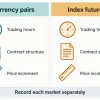
There is no cross-industry definition of a counted trading day. Use the official document for the exact account and answer four questions:
- What activity counts? Look for language about opening a new position, executing a trade, closing a position, or another defined event.
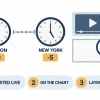
- What clock controls? Record the firm's timezone and the start and end of its trading day.
- Which stage uses the rule? Check the evaluation, verification, simulated funded, and live stages separately.
- Must the days be consecutive? Do not infer this from the required count.
An overnight position is a useful test of the wording. If a program counts a day only when a new position is opened, holding the same position across the cutoff does not create a second opened-position day. That conclusion is valid for that rule, not every prop firm.
FTMO Minimum Trading Days Example
FTMO's official Trading Objectives page states that the FTMO Challenge 2-Step requires at least four trading days in both the Challenge and Verification phases.
For this program, a trading day runs from 00:00:00 through 23:59:59 CE(S)T and counts when at least one position is opened. FTMO's worked example shows why trade count and day count differ: two positions opened on the same date still produce one opened-position day.
FTMO's Minimum Trading Days lesson adds two useful boundaries. The four days do not need to be consecutive, and holding one position over multiple days still counts as one day unless a new position is opened on another day.
The stage boundary matters too. FTMO says the four-day rule applies to the 2-Step Challenge and Verification, but not to the subsequent FTMO Account for that program. Do not apply this statement to FTMO's 1-Step program, a free trial, or a different product without checking its own rules.
Reviewed: July 31, 2026. Recheck the official Trading Objectives page before relying on these terms.
Tradeify Minimum Trading Days Example
Tradeify's official Select plan states that Select requires at least three trading days to pass. Tradeify's dedicated Help Center consistency rule, Select Evaluation guide, and official consistency explainer all say no single trading day's profit may exceed 40% of total evaluation profit. The Select sales-page FAQ instead describes being profitable on at least 40% of trading days. BestProps uses the rule-specific Help Center documentation for this scoped claim but preserves the discrepancy because readers can still encounter both statements.
Tradeify scopes that consistency rule to the Select evaluation. Its plan and explainer say the rule is removed after the trader passes and moves to a Select funded account.
This is different from FTMO's opened-position definition. Tradeify still publishes a three-day Select minimum, while FTMO separately defines a trading day by new-position activity for its 2-Step process. Use Tradeify's largest-day formula for planning only after comparing it with the current account terms or dashboard; if those conflict, contact Tradeify before acting on the result.
Reviewed: August 1, 2026. Recheck the Select plan and exact account terms before purchase or reset.
Minimum Trading Days Versus Other Rules
Several day-based terms can sound similar while measuring different things:
| Day-based term | What it measures |
|---|---|
| Minimum trading days | set the least number of qualifying days required for a milestone. |
| A consistency rule | limits how concentrated a result can be in one day or period, according to the program's formula. |
| A profitable-day rule | counts days that meet a stated profit threshold. |
| A time limit | sets the maximum period allowed to finish. |
| A payout-eligibility period | governs when a withdrawal request may be made. |
One program can use more than one of these. A page that says “no time limit” is answering a maximum-duration question, not necessarily a minimum-day question. A firm that advertises “one-day pass” may still impose other objectives or review conditions.
Keep each rule in its own line of your comparison notes. This prevents a payout-day requirement or consistency calculation from being mistaken for an evaluation minimum.
How to Check Prop Firm Minimum Day Rules
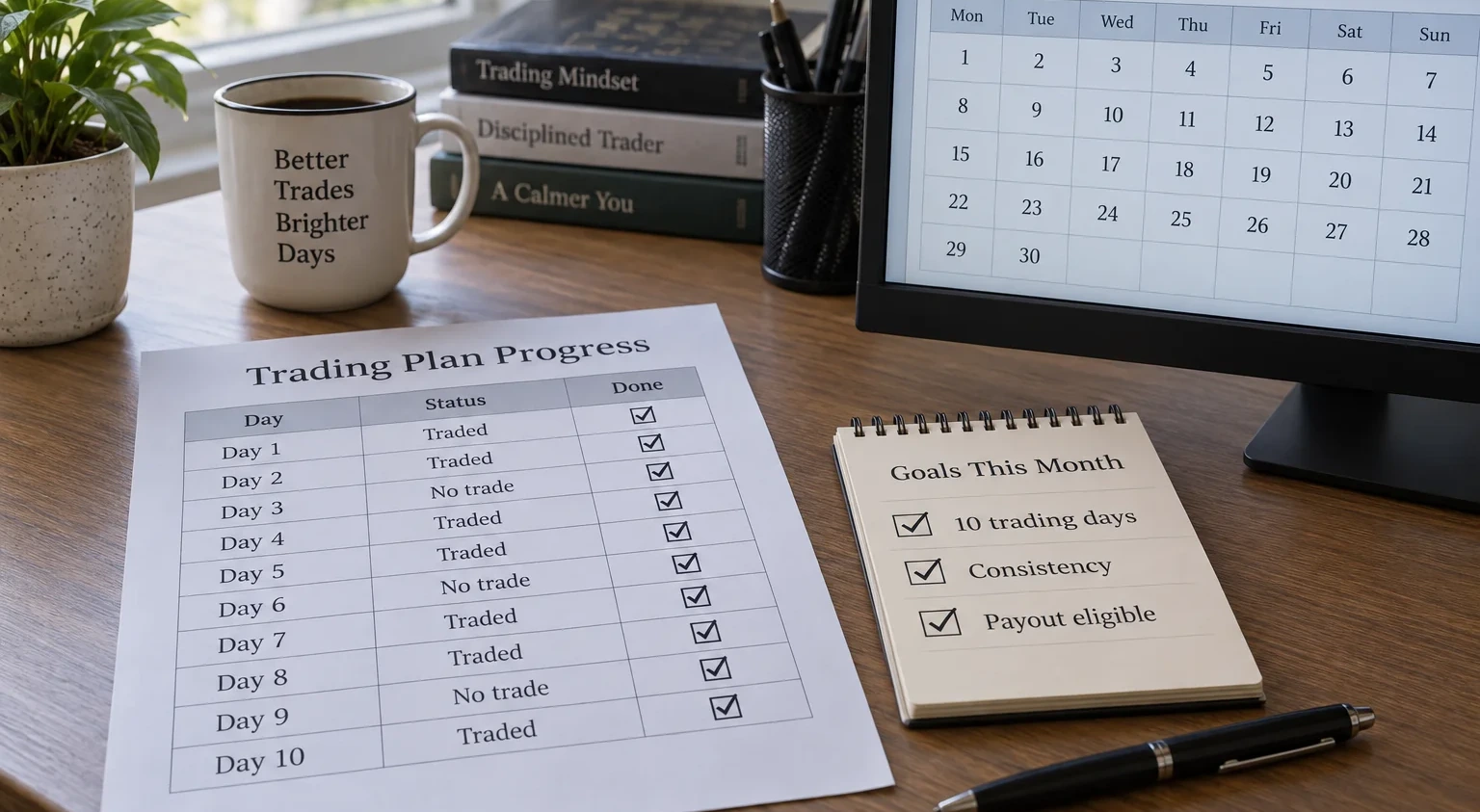
Use this source-check routine before paying for an evaluation or planning the final days of a phase:
- Name the exact firm, program, product, account size, and stage.
- Open the current official rules or help-center page, not a search snippet or forum answer.
- Record the required count and the event that creates a counted day.
- Record the timezone, daily cutoff, and consecutive-day language.
- Check whether the count resets in a new phase or disappears after evaluation.
- Separate the minimum from consistency, profitable-day, inactivity, and payout rules.
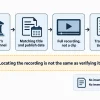
- Save the URL and review date, then recheck if the account terms or dashboard disagree.
The BestProps trading day calculator can estimate remaining days from values you enter. It does not verify the firm's rule, model a server clock, or decide whether a trade qualifies. Treat its result as planning arithmetic after the source check, not as account approval.
Prop Firm Minimum Trading Days FAQs
Can several trades count as several trading days?
Does an overnight position count as two trading days?
Do minimum trading days have to be consecutive?
Does no minimum trading days mean instant approval?
Can prop firm minimum trading days change?
The practical rule is simple: identify the program, define the counted event, confirm the clock and stage, and keep every other day-based condition separate.